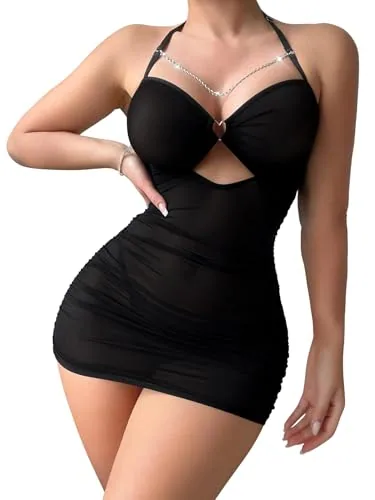
Lingerie Dress
Ruched Lingerie Dress, Black
size M · 2 pieces
4.5 out of 5 · 919 ratings$7.99
A lingerie photograph is a styling, not a packing list. This is how to read one, and what two, three and four pieces usually mean.
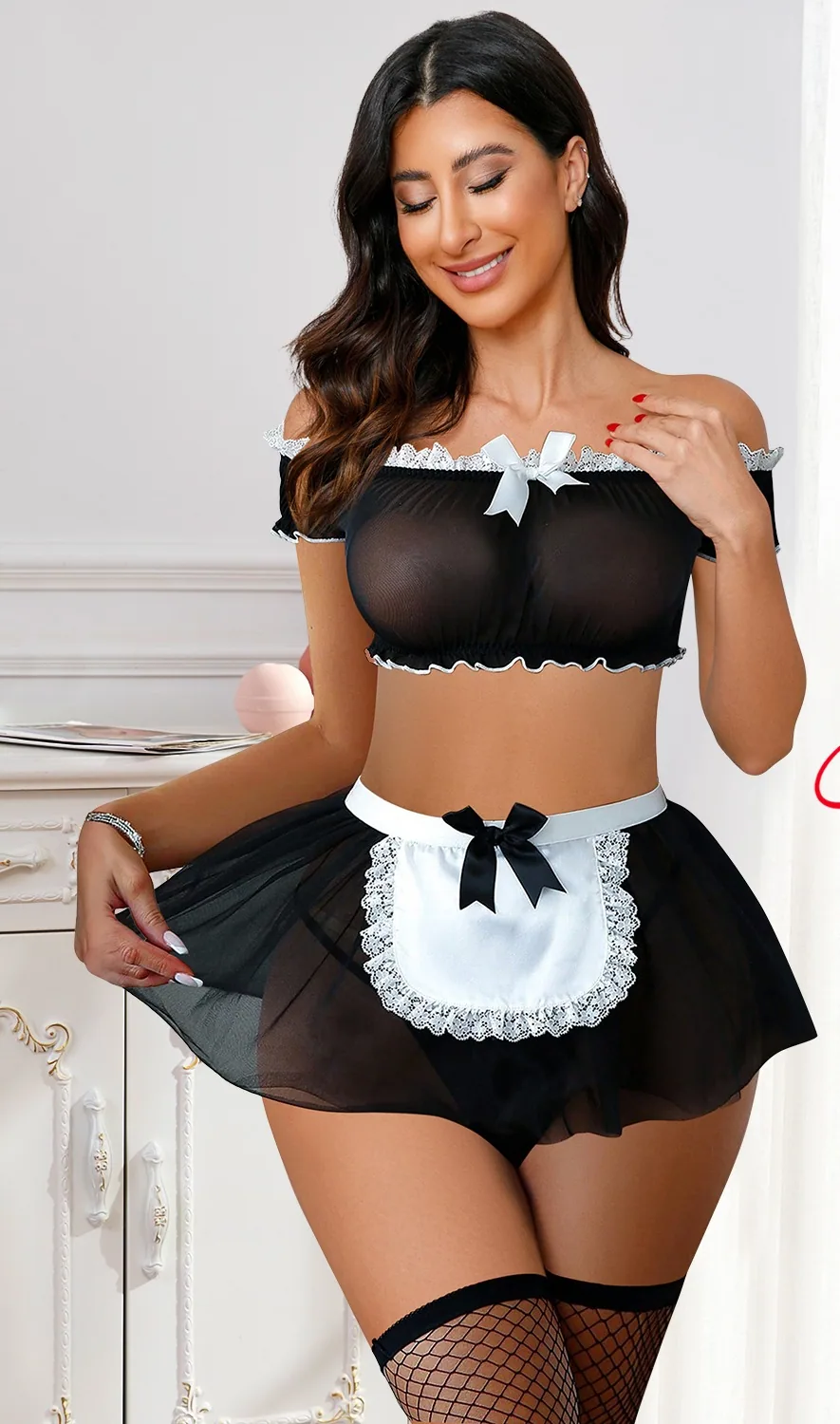
Look at almost any lingerie photograph and you will see a woman wearing four separate things: a top, a thong, a garter belt and stockings. Between one and four of them are in the box.
Nothing about the photograph tells you which, and on most sites nothing else does either. That is the single most common cause of disappointment in this category, and it is entirely avoidable.
Sets are sold by a number: two piece, three piece, four piece. It is a dull way to describe something meant to be alluring, and it is the only number that changes what arrives.
| Set size | What it usually contains | Pieces in range | Departments | From |
|---|---|---|---|---|
| 1 piece | one garment: a bodysuit, a teddy or a nightgown | 15 | 1 | $7.99 |
| 2 pieces | a top and a bottom, almost always a thong | 219 | 5 | $3.99 |
| 3 pieces | top, thong and usually a garter belt or a skirt | 98 | 4 | $4.99 |
| 4 pieces | top, thong, garter belt and stockings | 27 | 3 | $9.99 |
Two things are visible there that a photograph never shows. The first is that the piece count is not evenly distributed: one size dominates this range, and that is where the choice actually is. The second is that the count moves with the department rather than with the price.
A bodysuit, a teddy or a nightgown on its own. Nothing to match, nothing to lose, and no second garment to fit. This is the count to choose if your top and bottom sizes are different, because there is only one size decision to make.
A top and a bottom, almost always a thong. This is the commonest set in this range and the safest thing to buy without reading further: what you see on the model above the knee is what arrives.
The count that varies most. Usually a top, a thong and a garter belt, but sometimes the garter is swapped for a skirt or a robe. Three is the number where reading the card actually matters.
Top, thong, garter belt and stockings, which is the full styling in the photograph. Four-piece sets are the minority in any range, and they cost more because they are four garments.
It is worth being clear that this is not usually deceit. It is that the piece count lives in a different place from the photograph, and nobody joins them up.
A maker writes the count into the product title or the bullet list. A shop builds a tile from the photograph and the price. The count is in the data and simply never reaches the page, and once a tile exists without it, nobody notices it is gone.
You can see the result on almost any lingerie shop: tiles with three cheerful bullet points and no count on any of them. The number was in the data the whole time and never made it to the page.
If one item is going to be missing from your expectation, it is stockings. They photograph well, they cost almost nothing to style a shoot with, and they turn up in a minority of sets.
The same is true of the garter belt in a slightly gentler way: it appears in the picture more often than it appears in the parcel. Both are counted in the table above and named on the card of every piece here that includes them.
There is a federal rule about fibre content on clothing, and lingerie is covered by it. It is worth knowing what it does and does not require.
The term wearing apparel means any costume or article of clothing or covering for any part of the body worn or intended to be worn by individuals.
So a chemise, a bodysuit and a costume set are all wearing apparel and all inside the rule. What the rule then requires is a fibre list, on a threshold.
the respective generic names of all fibers present in the amount of 5 per centum or more of the total fiber weight of the textile fiber product shall be used when naming fibers in the required information
Five per cent by weight. Anything under that can be listed as other fibres, so a lace trim rarely appears by name on a label even when it is the part you are buying the garment for.
And here is the gap that matters for this category: the rule governs the FIBRE, not the CONTENTS. There is no regulation anywhere requiring a seller to say that a set contains three pieces rather than four. That number is voluntary, which is exactly why so few pages carry it.
Two four-piece sets at the same price are not the same purchase if one is mesh and the other is floral lace. Fabric is where the money in a set actually goes, and it is the second thing to check after the count.
| Fabric | How it behaves | Pieces | Departments | From |
|---|---|---|---|---|
| Sheer | see-through in daylight, breathes, tears at the seam | 261 | 7 | $3.99 |
| Floral lace | knitted pattern, holds its shape, survives wearing | 91 | 4 | $4.99 |
| Lace | pattern carries weight, shows less than people expect | 72 | 5 | $4.99 |
| Mesh | the most give and the least recovery, runs like a stocking | 17 | 3 | $4.99 |
| Satin | almost no stretch, slides, creases where it folds | 12 | 2 | $12.99 |
| Faux leather | no breathability, wipes rather than washes | 1 | 1 | $23.99 |
Sheer mesh is the cheapest to make and the most common here. It breathes, it shows everything, and it tears at the seam rather than in the middle. Floral lace costs more because the pattern is knitted rather than printed, and it is the fabric that survives being worn rather than photographed.
Satin sits apart from both. It is the only fabric in this range bought mainly for how it feels rather than for how much it shows, and it lives almost entirely in the sleepwear department.
None of them is about the photograph, and all four are answerable from a well-built page in under a minute.
A set is a common present and a difficult one, because the two facts you would need are the two nobody volunteers: her size and what she actually wears.
The piece count helps more than it looks here. A one-piece needs one size to be right. A two-piece needs one size to fit two places. A four-piece needs a size, a leg length for the stockings and a waist for the garter, which is three chances to be wrong instead of one.
So the safe present is a one-piece or a two-piece in a fabric with some give, and the risky one is the four-piece that photographs best. That is the opposite of what the styling pushes you towards, and it is worth knowing before rather than after.
The other honest note about presents in this category is that a set which does not fit is rarely returned. It goes in a drawer, because returning it is a conversation nobody wants. Sizing generously is not an insult, it is the thing that makes the present get worn.
The seven departments here are sorted by the garment, and the piece count follows the garment more closely than it follows the price.
Bodysuits and teddies are one piece by definition. Babydolls and chemises are one or two, because the thong is the only thing that can come with them. Sets are two to four, and that department exists precisely because the count varies. Costume sets sit at the top of the count because an outfit needs its accessories to be an outfit at all.
Which means the department page is a rough answer to the count question before you read a single card, and the count on the card is the exact one.
Every card in this range carries the piece count where the maker publishes one, and says nothing where they do not. It is not a generous editorial decision, it is the cheapest possible way to stop somebody being disappointed by a parcel.
If the size rather than the contents is your question, the piece on lingerie sizing without a fitting room covers the measuring.
Where this came from
Office of the Federal Register
16 CFR Part 303, Rules under the Textile Fiber Products Identification Act
Every source above was opened and read on the date shown. Where a page says something we cannot check ourselves, we quote it and name it rather than restating it as our own.
Pieces this piece is about
size M · 2 pieces
4.5 out of 5 · 919 ratings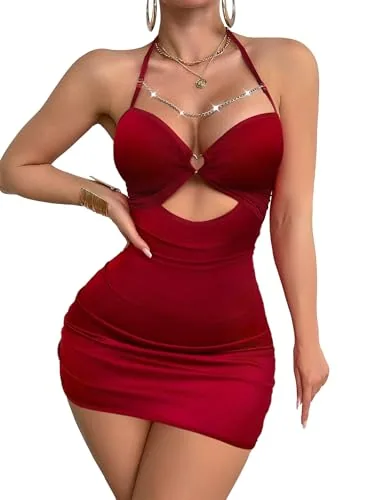
size M · 2 pieces
4.5 out of 5 · 919 ratings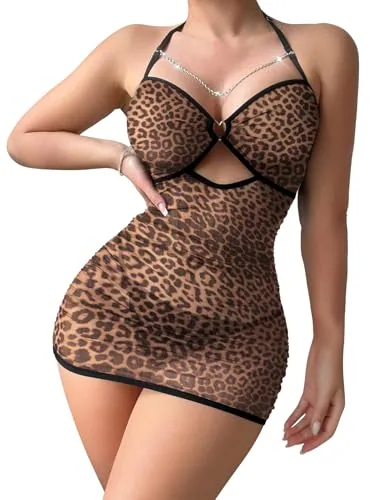
size M · 2 pieces
4.5 out of 5 · 919 ratings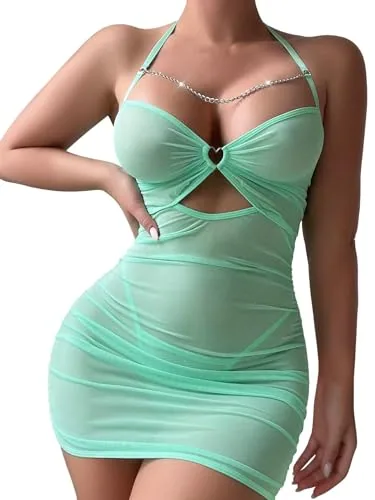
2 pieces · sheer
4.5 out of 5 · 919 ratingsKeep reading
Three measurements, one chart that is not a bra chart, and the two garments that forgive nothing.
1,574 words
Lace fails at the hook and the seam, never in the middle. Five minutes at the basin is the whole difference.
1,523 words